
Physical Therapy for Neck and Shoulder Pain in Coral Gables


Neck and shoulder pain can make everyday activities more difficult, from working at a computer and driving to exercising, sleeping, and turning your head comfortably. Whether discomfort develops gradually from poor posture or appears after an injury, finding the cause is an important step toward lasting relief. Physical therapy offers a personalized approach to improving mobility, building strength, and helping you return to your regular routine.
For people experiencing ongoing discomfort, Neck Pain Physical Therapy in Coral Gables can help address movement limitations, muscle tension, and other contributing factors. Treatment may also include targeted exercises, posture education, and hands-on techniques tailored to your needs. When neck and shoulder symptoms occur together, a comprehensive plan can address how these areas work together rather than treating each one in isolation.
Understanding the Connection Between Neck and Shoulder Pain
The neck and shoulders work closely together to support head movement, arm mobility, and upper-body stability. Because these areas share muscles, joints, and movement patterns, a problem affecting one area can contribute to discomfort in the other.
Common contributors to neck and shoulder pain include:
Prolonged sitting: Spending hours at a desk or looking down at a phone can encourage sustained positions that place additional demands on the neck and upper back.
Muscle tension: Stress, repetitive movements, and limited movement throughout the day may contribute to tightness around the neck and shoulders.
Reduced mobility: Stiffness in the neck, upper back, or shoulder joints can make everyday movements uncomfortable.
Muscle weakness: Reduced strength or endurance in the muscles that support the shoulder blades and upper body may affect movement control.
Sports or exercise injuries: Repetitive overhead movements, sudden strain, or changes in training intensity can contribute to symptoms.
Previous injuries or ongoing conditions: Some people experience persistent discomfort related to joint problems, nerve irritation, or other underlying conditions.
The location of your pain does not always reveal its source. For example, shoulder discomfort can sometimes be associated with the neck, while restricted shoulder movement may influence how the neck and upper back move. A physical therapy evaluation can help identify which factors may be contributing to your symptoms.
How Neck Pain Physical Therapy in Coral Gables Can Help
Neck pain can affect concentration, sleep, work, and the ability to participate in activities you enjoy. Physical therapy focuses on improving how your body moves while addressing the factors that may be contributing to discomfort.
A treatment plan may include gentle mobility exercises, strengthening, postural training, and education about daily habits. Your physical therapist may also assess how your upper back and shoulder blades move, since these areas help support comfortable neck movement.
With Neck Pain Physical Therapy in Coral Gables, treatment can be adjusted to your current abilities and goals. Someone experiencing stiffness after long workdays may need a different approach from someone recovering from a sports injury or dealing with recurring symptoms.
Your therapist may help you work toward goals such as:
Turning your head more comfortably while driving.
Improving tolerance for desk work and computer use.
Reducing movement restrictions that interfere with exercise.
Building strength and endurance in supporting muscles.
Developing practical strategies to manage symptoms during daily activities.
Progress depends on the cause and severity of your symptoms, your overall health, and your consistency with the recommended plan. Your therapist can help you understand what to expect and how to progress safely.
Shoulder Pain Physical Therapy in Coral Gables
Shoulder pain may make reaching overhead, lifting objects, getting dressed, or sleeping on one side uncomfortable. Because the shoulder depends on coordinated movement between the arm, shoulder blade, and upper back, treatment often looks beyond the painful area alone.
Shoulder Pain Physical Therapy in Coral Gables may involve assessing shoulder range of motion, strength, movement control, and the way the shoulder functions during everyday tasks. Your therapist may also examine the neck when symptoms
overlap or when neck movement appears to influence shoulder discomfort.
Depending on your evaluation, treatment may include:
Gentle range-of-motion exercises to address stiffness.
Progressive strengthening for the shoulder and surrounding muscles.
Exercises that improve shoulder blade control.
Movement training for lifting, reaching, and other daily tasks.
Education on adjusting repetitive activities while recovering.
The goal is not simply to make movement less uncomfortable in the short term. A well-rounded program also aims to improve your ability to use the shoulder confidently and manage the physical demands of your routine.
The Benefits of Hands-On Physical Therapy
Exercise is an important part of many physical therapy programs, but some patients may also benefit from manual techniques performed by a trained clinician.
Hands-On Physical Therapy may include gentle joint mobilization, soft-tissue techniques, or other manual approaches selected according to the evaluation. These techniques are intended to help address movement restrictions, muscle sensitivity, or stiffness when appropriate.
For neck and shoulder symptoms, a therapist might use manual techniques alongside exercises to help a patient move more comfortably. For example, improving mobility in the upper back or addressing restricted shoulder movement may make it easier to perform strengthening exercises with better control.
Potential benefits may include:
Temporary relief of muscle tension or discomfort.
Improved joint or soft-tissue mobility.
Greater ease with selected movements.
Support for participating in an individualized exercise program.
The effects of manual therapy vary from person to person, and it is not a standalone solution for every condition. Your therapist should explain why a technique is being used, what it is intended to address, and whether it is appropriate for your symptoms.
In many cases, Hands-On Physical Therapy works best as one part of a broader plan that also includes movement, strength development, and practical strategies for daily life.

Can Pilates-Based Exercise Improve Neck and Shoulder Posture?
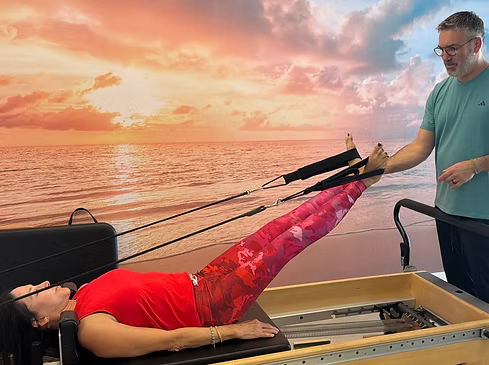
Pilates-based exercise can be a useful component of rehabilitation for some people, particularly when exercises are adapted to their needs and abilities. Pilates often emphasizes controlled movement, breathing, trunk stability, and body awareness.
For people who spend much of the day sitting, a suitable Pilates-based program may help develop strength and endurance in the muscles that support the trunk and upper body. Exercises can also encourage more awareness of shoulder positioning and movement habits.
However, posture is not about maintaining one perfect position throughout the day. Bodies naturally move, and even a comfortable posture can become tiring when held for too long. Regular movement breaks, changes in working position, and adequate strength can all be helpful.
A physical therapist can determine whether Pilates-based exercises are appropriate for your symptoms and modify movements as needed. If an exercise increases pain, causes tingling, or creates other concerning symptoms, stop and discuss it with your clinician rather than pushing through.
What to Expect From a Physical Therapy Evaluation
Your first appointment generally begins with a conversation about your symptoms, medical history, daily activities, and goals. Your therapist may ask when the discomfort started, what makes it better or worse, whether symptoms travel into your arm, and how the problem affects your routine.
The physical examination may include assessments of:
Neck and shoulder range of motion.
Muscle strength and endurance.
Posture and movement patterns.
Shoulder blade and upper-back mobility.
Sensation, reflexes, or other neurological signs when indicated.
Functional movements related to your symptoms.
Your therapist will use this information to develop a treatment plan based on your presentation and priorities. You may begin with appropriate exercises or other treatment during the initial visit, depending on your condition and the clinician's findings.
Choosing a qualified Physical Therapist in Coral Gables gives you an opportunity to
discuss your concerns, ask questions, and understand the reasoning behind your care plan. Look for a provider who listens to your goals, explains treatment options clearly, and adapts the program as your abilities change.
When Should You Seek Professional Care?
Consider a physical therapy evaluation if neck or shoulder discomfort keeps returning, limits your normal activities, or makes it difficult to work, sleep, or exercise comfortably.
Some symptoms require medical assessment before starting routine rehabilitation. Seek urgent medical care for neck or shoulder pain accompanied by chest pain, difficulty breathing, sudden weakness, or other severe or unusual symptoms. New or worsening numbness, significant weakness, symptoms following a serious accident, fever with severe neck stiffness, or a sudden severe headache also warrant prompt medical evaluation.
A physical therapist can help determine whether your symptoms appear appropriate for physical therapy or whether referral to another healthcare professional is needed.
Finding the Right Physical Therapy in Coral Gables
When comparing providers, consider their experience treating neck and shoulder conditions, approach to individualized care, and ability to explain the purpose of treatment. Ask how they combine exercise, manual techniques, and education, and how they measure progress over time.
A Physical Therapist in Coral Gables should help you understand how your symptoms affect movement and what steps may support recovery. Your treatment plan should reflect your needs, whether your primary concern is neck stiffness, shoulder discomfort, limited mobility, or a combination of symptoms.
If you're looking for Neck Pain Physical Therapy in Coral Gables or Shoulder Pain Physical Therapy in Coral Gables, a comprehensive evaluation can be a useful starting point. Treatment that combines appropriate exercise, movement education, and Hands-On Physical Therapy when indicated may help you improve function and return to the activities that matter to you.

Frequently Asked Questions
Can physical therapy help neck and shoulder pain?
Yes. Physical therapy can help address movement restrictions, muscle weakness, reduced mobility, and other factors contributing to neck and shoulder discomfort. Treatment may include exercise, manual techniques, and guidance on daily activities. The best approach depends on the cause of your symptoms.
What happens during a physical therapy evaluation?
Your therapist will discuss your symptoms, health history, daily activities, and goals. They may assess your range of motion, strength, posture, and movement patterns, along with other tests when appropriate. The findings help guide an individualized treatment plan.
How does hands-on therapy help with pain?
Hands-on therapy uses manual techniques to address issues such as stiffness, restricted movement, or muscle sensitivity. It may help some patients move more comfortably, particularly when combined with appropriate exercises and education. Results vary depending on the individual and the underlying condition.
Can Pilates-based exercise help neck and shoulder posture?
Pilates-based exercises may support strength, trunk stability, movement control, and body awareness. A physical therapist can adapt exercises to your needs and determine whether they are appropriate for your symptoms. Regular movement breaks and varied positions are also important for people who sit for long periods.
Where can I find physical therapy for neck pain in Coral Gables?
Look for a licensed physical therapy provider in Coral Gables who evaluates neck and shoulder function and creates individualized treatment plans. Ask about their experience with your symptoms, the treatment approaches they use, and how they track progress. Confirm services and appointment availability directly with the clinic.


Comments